

Physical benefits
Pain reduction, improved mobility, balance, and gross/fine motor skills, plus better comfort with everyday movement.
Whether called Therapeutic Recreation or Recreation Therapy, this is a structured, activity-based approach that supports wellbeing, independence, and quality of life through meaningful participation.
Therapeutic Recreation uses leisure, recreation, education, and activity-based interventions to support people with physical, cognitive, emotional, or social needs.
The purpose is to help individuals enjoy leisure more fully, function as independently as possible, and participate more meaningfully in life. The language may vary by region — Therapeutic Recreation, Recreation Therapy — but the practical meaning is the same.
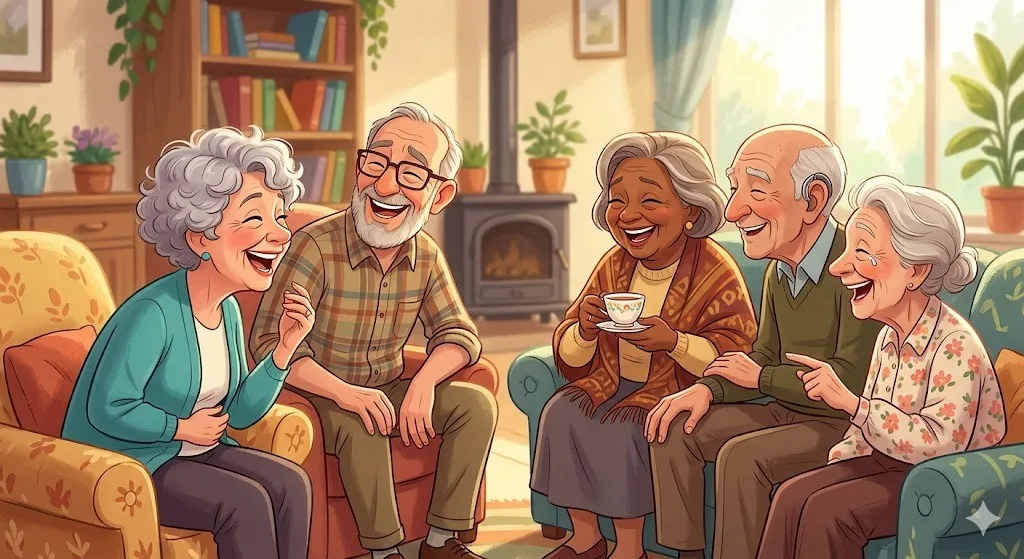
Therapeutic Recreation is one of the few interventions that can support physical, cognitive, emotional, and social wellbeing all at once.
Pain reduction, improved mobility, balance, and gross/fine motor skills, plus better comfort with everyday movement.

Improved attention span, memory, executive function, awareness, and engagement — supported in a calm, structured way.

Reduced anxiety and depression, enhanced coping skills, and a renewed sense of enjoyment in everyday life.

Stronger communication, decreased loneliness, greater community involvement, and a deeper sense of belonging with like-minded peers.
The CTRS credential is the only international certification designed to protect the consumer of recreational therapy services.
It signals training, accountability, and a higher standard of care — backed by professional bodies that organizations and families recognize.
Janice Ocampo, CTRS — certification #64683 Issued by the National Council for Therapeutic Recreation Certification. Read the NCTRC fast facts (PDF)
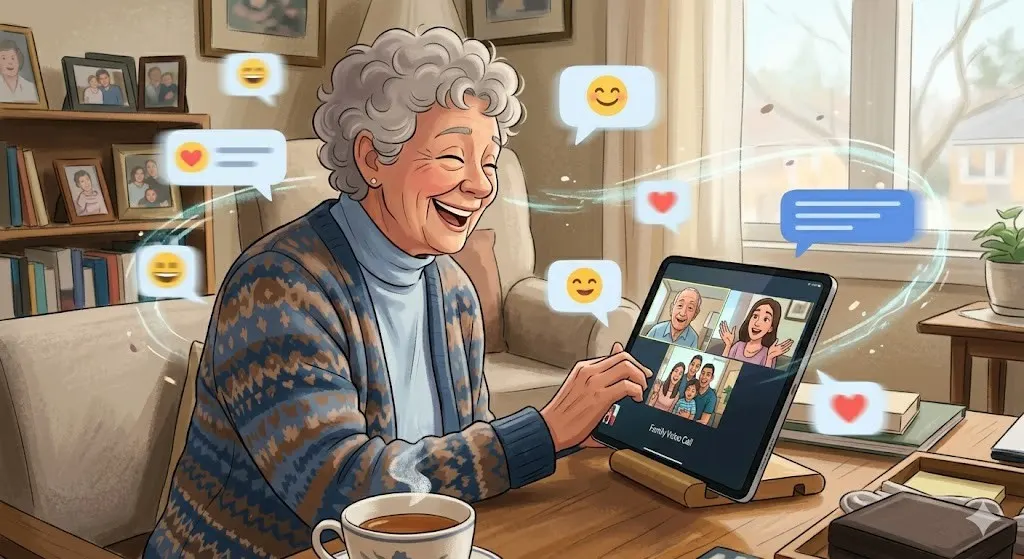
Families want more than generic activity ideas. A CTRS brings therapeutic reasoning and professional standards to every session.
Professional assessment ensures activities are matched to abilities, preferences, and meaningful personal goals.
Sessions are designed to support measurable outcomes — connection, mood, cognition, and quality of life.
In-home and community-based work benefits from someone who can adapt activities thoughtfully and safely.
Recreational therapy and the CTRS credential are recognized by the Commission on Accreditation of Rehabilitation Facilities (CARF), Joint Commission, Centers for Medicare and Medicaid Services, and Accreditation Canada — among others.NCTRC National Council for Therapeutic Recreation Certification